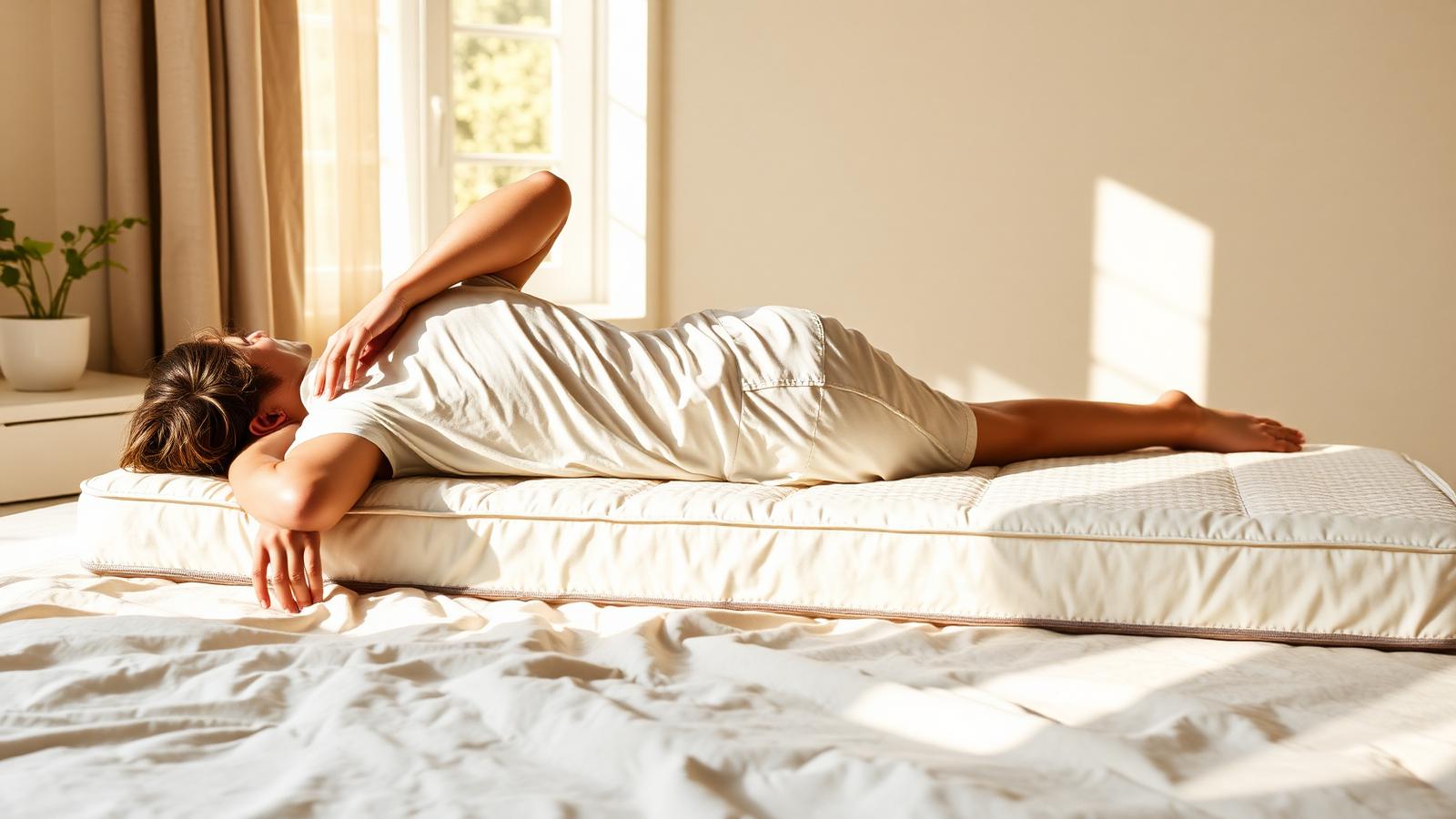
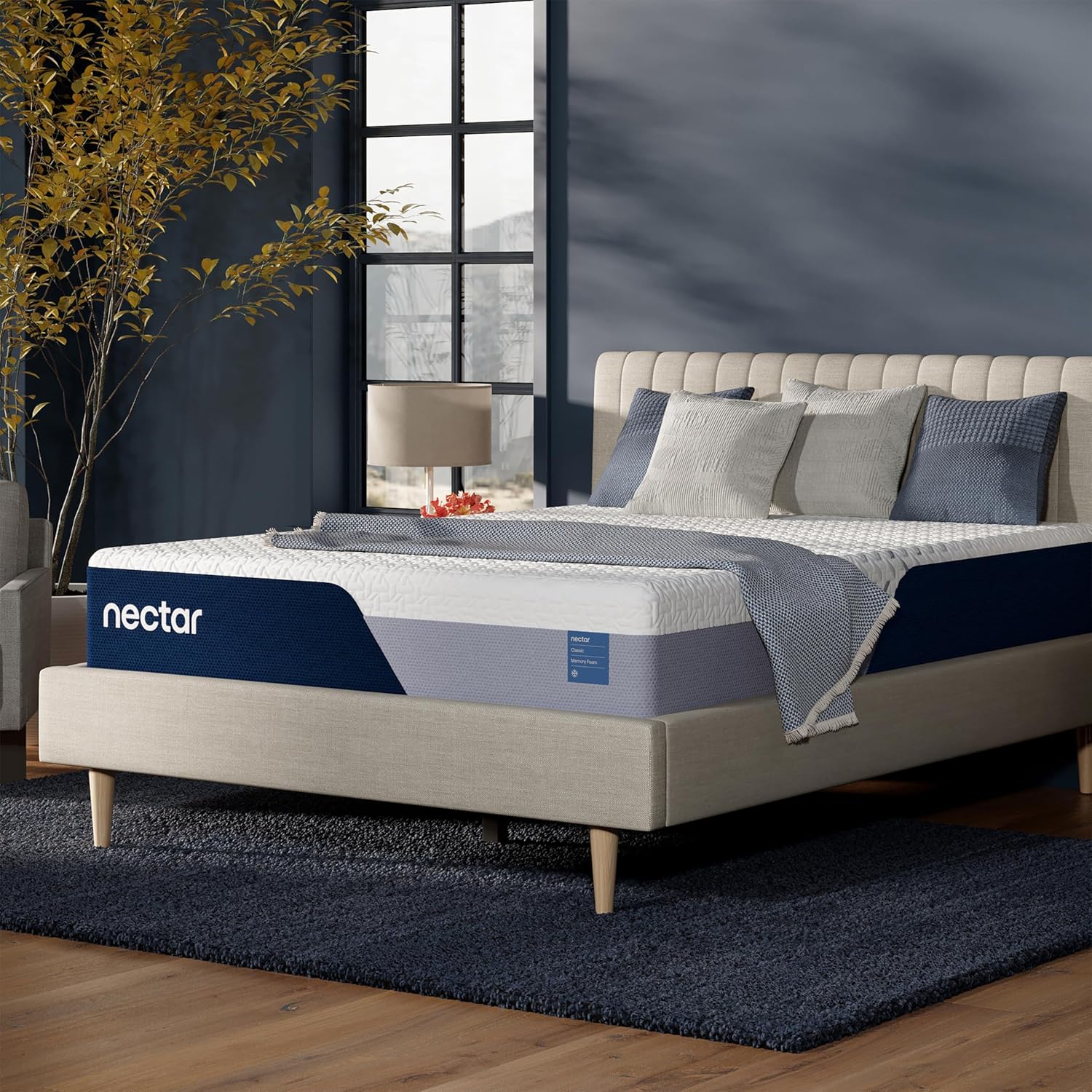
How firm should a mattress be if you sleep on your side and have back pain?
Medium to medium-firm, with a genuinely soft top layer over a support core that does not give way. Those two demands pull in opposite directions, which is why this is such a hard buy. Your shoulder and hip need to sink far enough for the spine to stay straight, but your waist and lower back need something still holding them up at 5am. A hybrid does that most reliably, which is why the top pick here is one.
Why does my lower back hurt when I sleep on my side?
Usually because your hips are sinking deeper than your shoulders, which twists the spine sideways and loads the lower back all night. That happens when the comfort layer is too soft for your body weight, or when the support core underneath has already worn out. If your mattress has a visible dip where your hip lands, that is the cause, and no pillow or topper will fix it.
Why does my shoulder hurt as well?
The opposite failure. If the comfort layer is too thin or too firm, the shoulder — the widest, boniest part of you in that position — gets propped up instead of sinking, and the joint is compressed for hours. That is why the pressure-relief pick here has a 3.5-inch comfort layer rather than the usual two. Plenty of side sleepers have both problems at once, which is what a plush-over-firm build is for.
Hybrid or memory foam for side sleeping with back pain?
Hybrid is the safer default. Pocketed coils keep pushing back under your heaviest point instead of slowly giving way like foam does, so the lower back is still supported late in the night, while the comfort layers above still let the shoulder settle. Choose plush memory foam instead if your current bed feels hard rather than saggy, if your pain starts at the shoulder or hip, or if a restless partner keeps waking you.
Does my body weight change which pick is right?
More than anything on the spec sheet. The same mattress feels about a firmness level softer to a heavier sleeper and a level firmer to a lighter one. Under roughly 150 lb, go plusher or your shoulder takes the whole load. Over roughly 230 lb, choose a 12-inch hybrid — plush foam lets your hips drop out of alignment, which is exactly the mechanism causing the ache.
How thick should the mattress be?
Twelve inches is the sensible default for an adult with back pain, because you need enough material for the shoulder to sink into and enough support core underneath to hold the waist up. A 10-inch hybrid works well under about 230 lb, but heavier sleepers report bottoming out — feeling the hard support layer through the comfort layer.
Will a softer mattress make back pain worse?
It can, if it is too soft for your weight. The failure mode is hips sinking deeper than shoulders. That is why the plushest options here are flagged by body weight, and why the flippable pick exists: if the soft side leaves you aching by morning, you turn the mattress over instead of returning it.
What pillow do I need with this?
A thicker one than a back sleeper, and the mattress changes the answer. Your pillow has to fill the gap between the mattress and your head, and a plusher bed lets the shoulder drop further, widening that gap. A lot of new-mattress neck ache is a pillow problem, not a mattress problem, so budget for one.
How long before my back feels different?
Two to four weeks. Compressed foam needs 24 to 72 hours just to reach full height, and your body has adapted to the shape of the old bed, so the first several nights can feel wrong even when the mattress is right. Owner reviews are full of people who nearly gave up in week one and were fine by week three.
Do these need a box spring?
No. All of them are bed-in-a-box designs built for a solid platform, slats spaced under roughly three inches apart, or an adjustable base. What they must not sit on is a sagging box spring or widely spaced slats — the mattress copies the shape underneath it, which undoes the support you paid for.
Can a topper fix my current mattress instead?
If the mattress is structurally sound and simply too firm for your shoulder, a plush topper is a good, much cheaper answer. If it sags, a topper cannot help — you are still lying in the dip, just with padding on top. Lay a straight edge across the surface before spending anything.
Which pick suits a couple where only one of us sleeps on our side?
The flippable pick is the simplest answer if you are unsure, and the hybrid picks suit mixed sleeping styles because coils support a back sleeper while the padded top looks after a side sleeper. If your preferences are genuinely far apart, buy for the person in pain and add a plush topper on the other side.
Do these sleep hot?
Pressure-relieving surfaces hold more heat because more of your body touches them. The hybrids here are the coolest options, since air moves through the coil layer rather than sitting in dense foam, and the plush foam pick uses gel and bamboo charcoal to take the edge off. A breathable protector and cotton sheets matter more than most people expect.
What if I get the firmness wrong?
Check which window applies before you order, because it differs. Amazon's standard returns cover the marketplace picks, the Nectar option carries a full 365-night trial, and the flippable pick lets you switch to a firmer surface without returning anything — the most forgiving route if pain makes the right feel hard to predict.
Is a mattress enough on its own for back pain?
It is one input, not a cure. A mattress that lets your spine stay neutral removes a nightly aggravator, and most people notice it within a few weeks. Nothing here is medical advice: if pain is severe or persistent, or comes with numbness or weakness, see a clinician rather than buying bedding.
How often should a mattress be replaced?
Roughly every eight to ten years, and sooner for budget foam under a heavier sleeper. Shape tells you more than age: lay a straight edge across the surface, and if there is a visible dip where your hip lands, the support layer has failed and no bedding will compensate.